
Whole, cut or ground: choosing the right form of dried herbs
How whole, cut and ground herbs and spices differ in flavour, shelf life, price and use, and how to choose the form that fits your product.
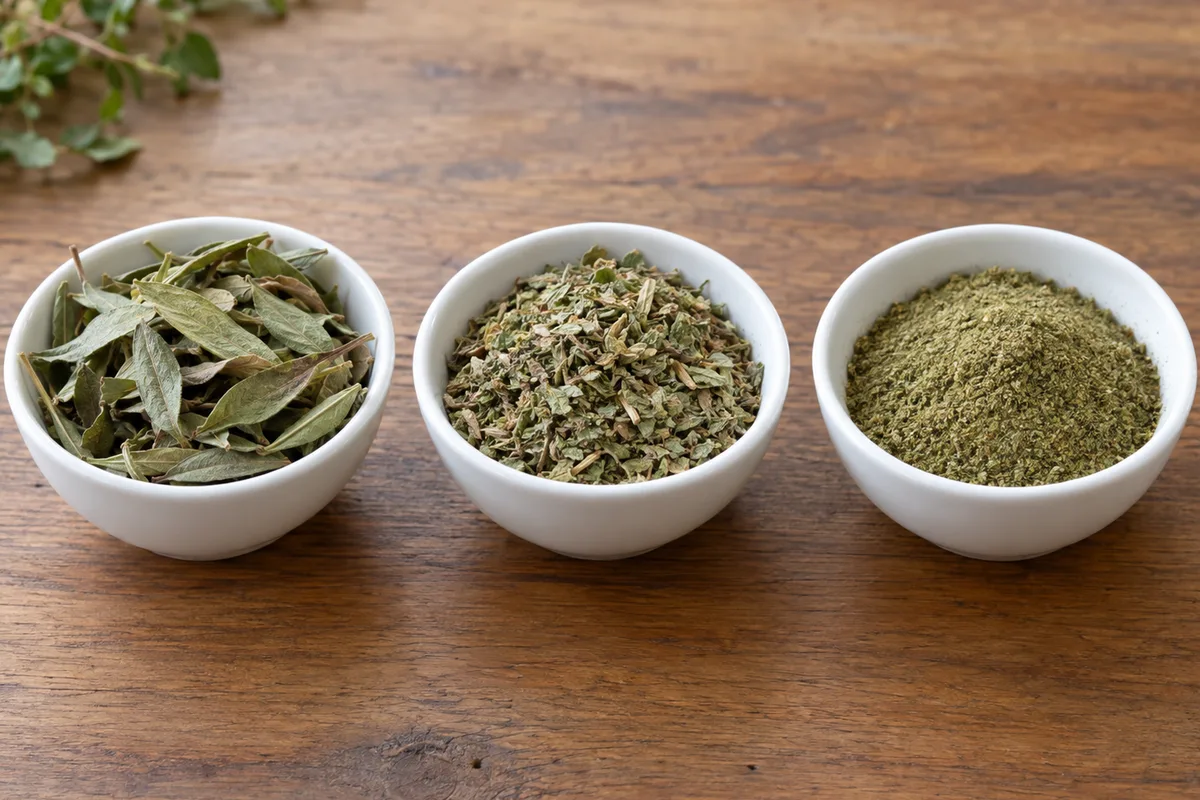
The same herb can be bought whole, cut or ground, and each form behaves differently. The right choice affects flavour, shelf life, appearance and processing in your factory or kitchen. This guide compares the three forms.
Whole
Whole leaves, flowers, seeds and roots keep their volatile oils inside the plant tissue, so aroma lasts longest. Whole products also make it easy to judge quality by eye: colour, size and the presence of stems or foreign matter are all visible. The cost is volume. Whole product takes more space and may need grinding or cutting before use.
Choose whole if you want the longest shelf life, a natural look in the final product (for example in tea or a seasoning with visible leaves), or if you plan to grind close to use.
Cut
Cut and sifted products are broken into pieces of a defined size. They are the standard for tea blends, soup mixes, seasoning blends and herb packs. Cut herbs release flavour more quickly than whole ones and still look natural. The key detail is the size range, often given as a mesh or sieve size. Agree the range and the share allowed above and below it.
Choose cut for blends, infusions and products where an even size matters for mixing and filling.
Ground
Ground or powdered herbs have the largest surface area. They release flavour fastest and dissolve or disperse easily, which is why they are used in sauces, sausages, spice rubs and capsules. The trade-off is that aroma fades faster, and a fine powder can hide quality problems that are easy to see in whole product. It can also be adulterated more easily, so source and testing matter more.
Choose ground when your process needs it and you can use it within a shorter time, and ask for particle size and moisture.
How form affects price
Price per kilo differs by form because processing takes time and there is some loss. Ground products often cost more per kilo than whole, but they may save you a step. Compare the total cost of your process, not only the price on the quote.
Ask about particle size
For cut and ground goods, agree the particle size and how it is measured. Without it, two suppliers can both say "ground" and send very different products. A sample of the exact grade is the safest reference.
A simple rule
If you are unsure, start with whole or cut and a sample. You can always grind it yourself, but you cannot turn a powder back into leaves.
Ask mesbaholla for a quote
Tell us the herb or spice, the form you need and the quantity. We will reply with the specification and the options available for your order. Use the contact form on this site to send your request.
Keep reading
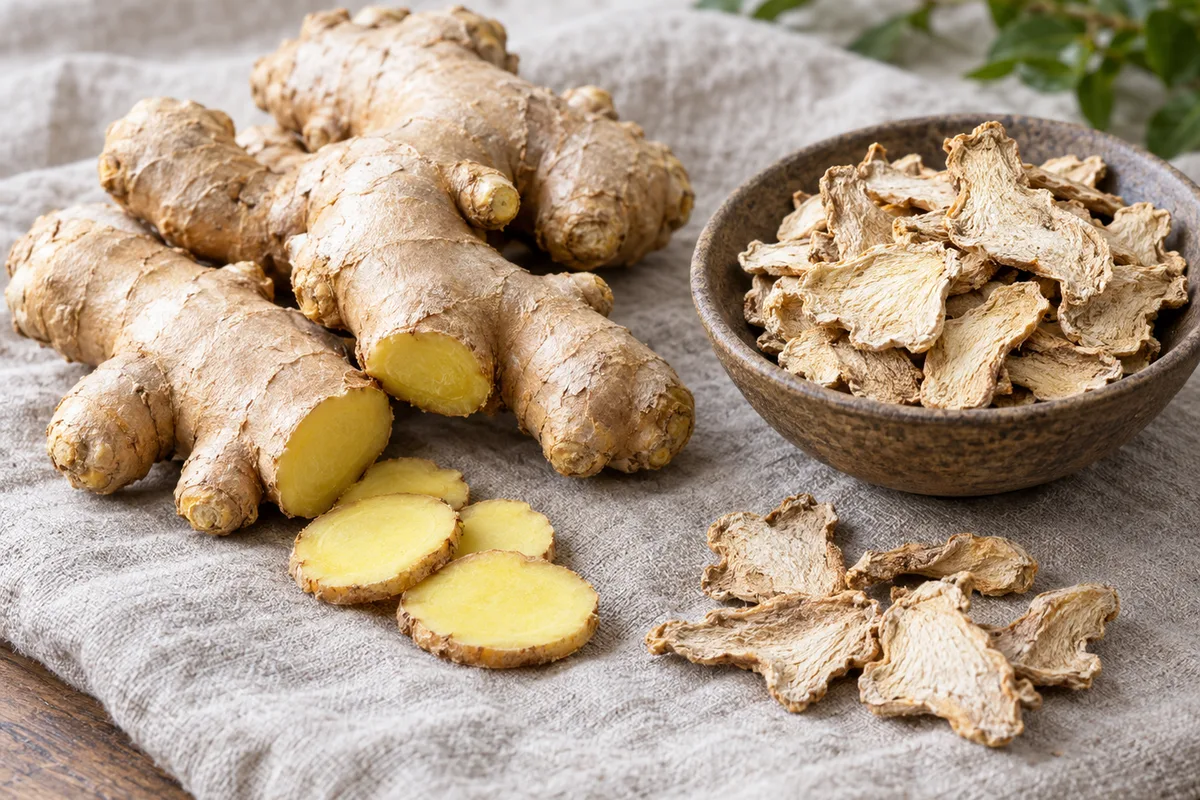
Dried ginger: whole, sliced or ground, what buyers check
A buyer's guide to dried ginger: whole, sliced or ground, colour, fibre, aroma and heat, moisture, mould and packing.
Read article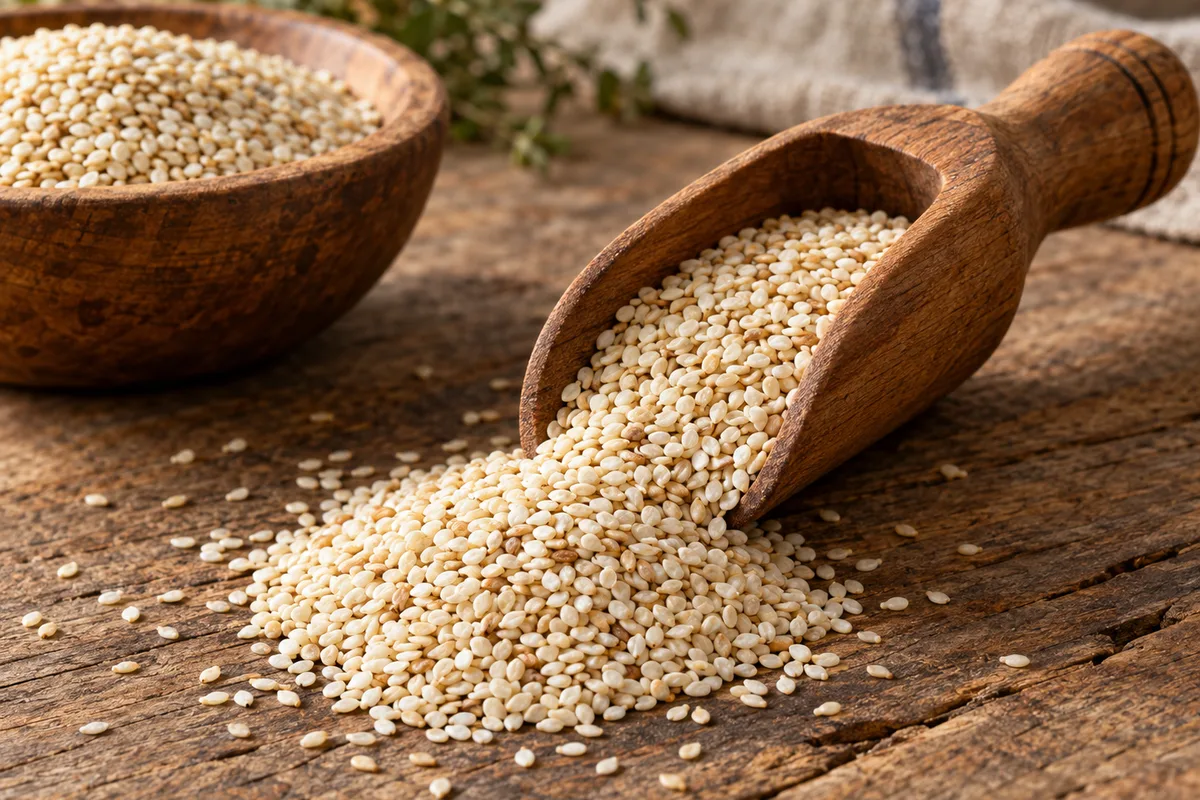
Sesame seed: hulled or natural, purity and freshness, what buyers check
A buyer's guide to sesame seed: hulled or natural, colour, purity, oil freshness, moisture, foreign matter and packing.
Read article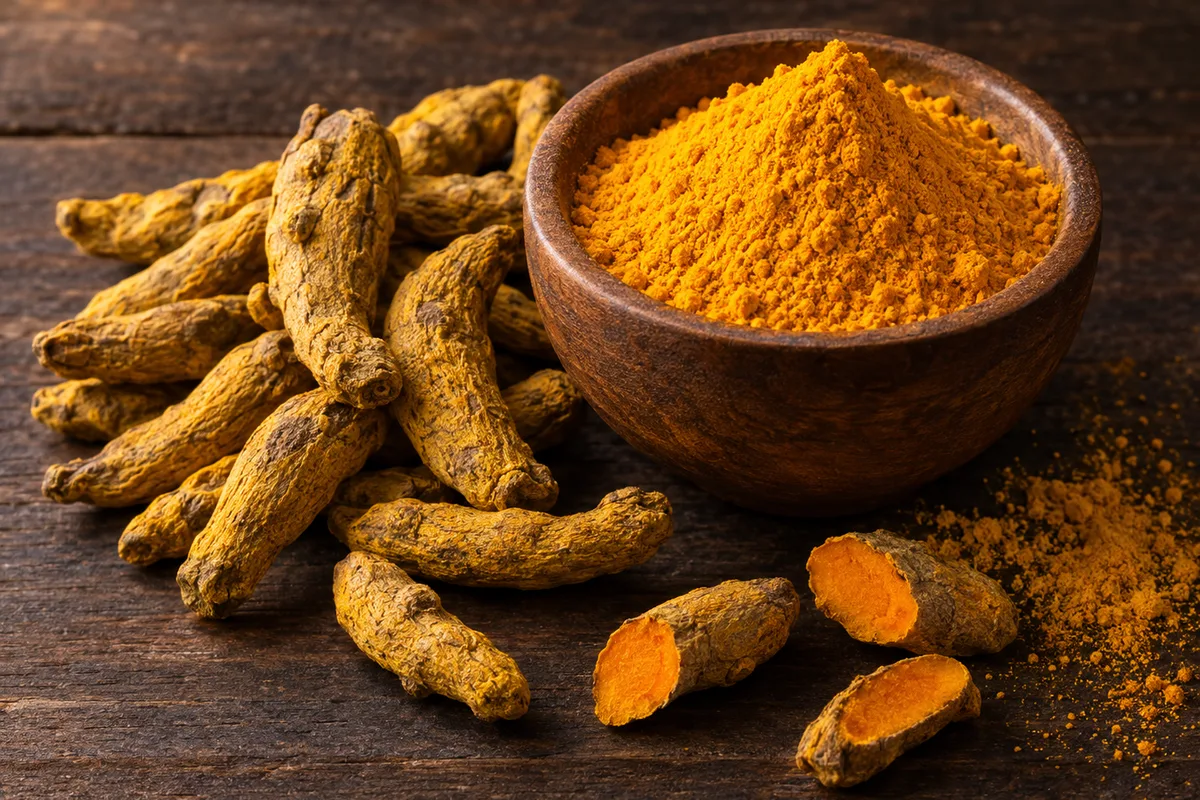
Turmeric: root or powder, colour, curcumin claims and adulteration, what buyers check
A buyer's guide to turmeric: whole fingers or powder, colour, aroma, purity, moisture, adulteration risks and packing.
Read article