
Seed cleanliness: foreign seeds, husks and stones
What clean seed means for spices and herb seeds, the usual impurities, and how a buyer can check a sample in a simple way.
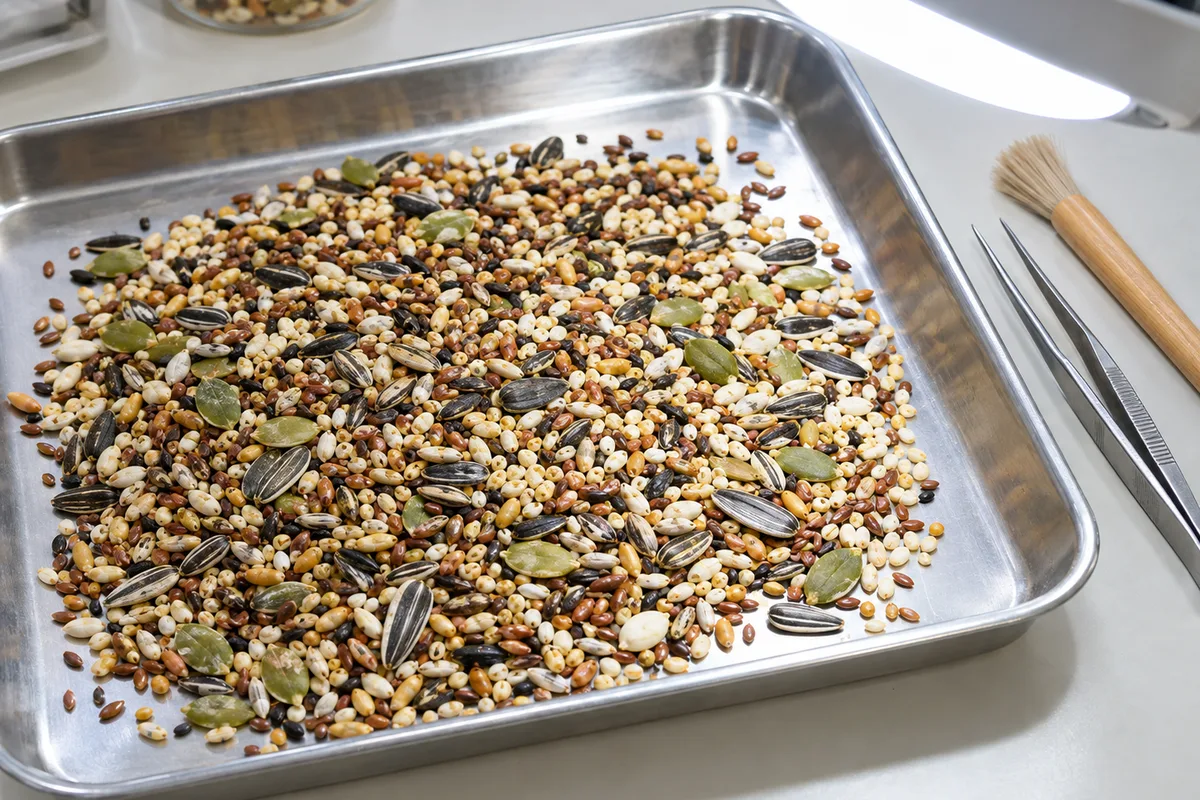
With seeds, cleanliness shows quickly. A small handful on a white plate tells you a lot before any test is done.
What counts as an impurity
Typical impurities are other seeds, husks, stalk pieces, small stones, soil and dust. What is acceptable should be written in the specification, not left to opinion.
Spread a sample and look
Spread a measured amount on a plain plate under good light. Separate anything that is not the seed and weigh it. Repeat with a second portion to see if the result is steady.
Do not forget dust and smell
Dust can sit below the visible level. Pour the seed from one hand to the other and watch for a cloud, and note any musty or off smell.
Cleaning steps matter
Ask how the supplier sieves, uses air or gravity separation and checks by eye. Several steps usually give a cleaner result than one.
Agree it in writing
Put the allowed impurities and the way they are measured in the contract, and keep a sealed reference sample to compare against on arrival.
Ask mesbaholla for a quote
Tell us the form and quantity you need, and ask for a sample. We will reply with what we can supply and a quote.
Keep reading
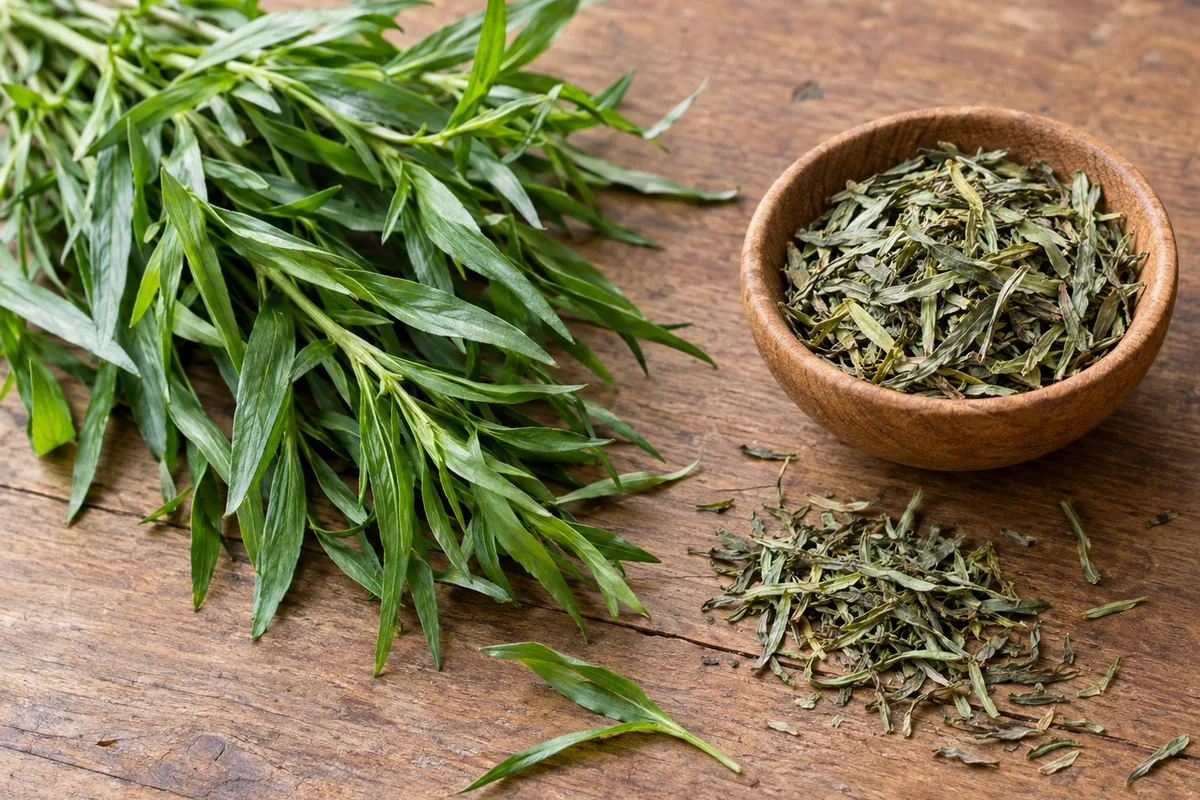
Dried tarragon: aroma, leaf quality and what buyers check
A buyer's guide to dried tarragon: aroma, leaf colour, cut size, stems, moisture and packing, and what to agree before you order.
Read article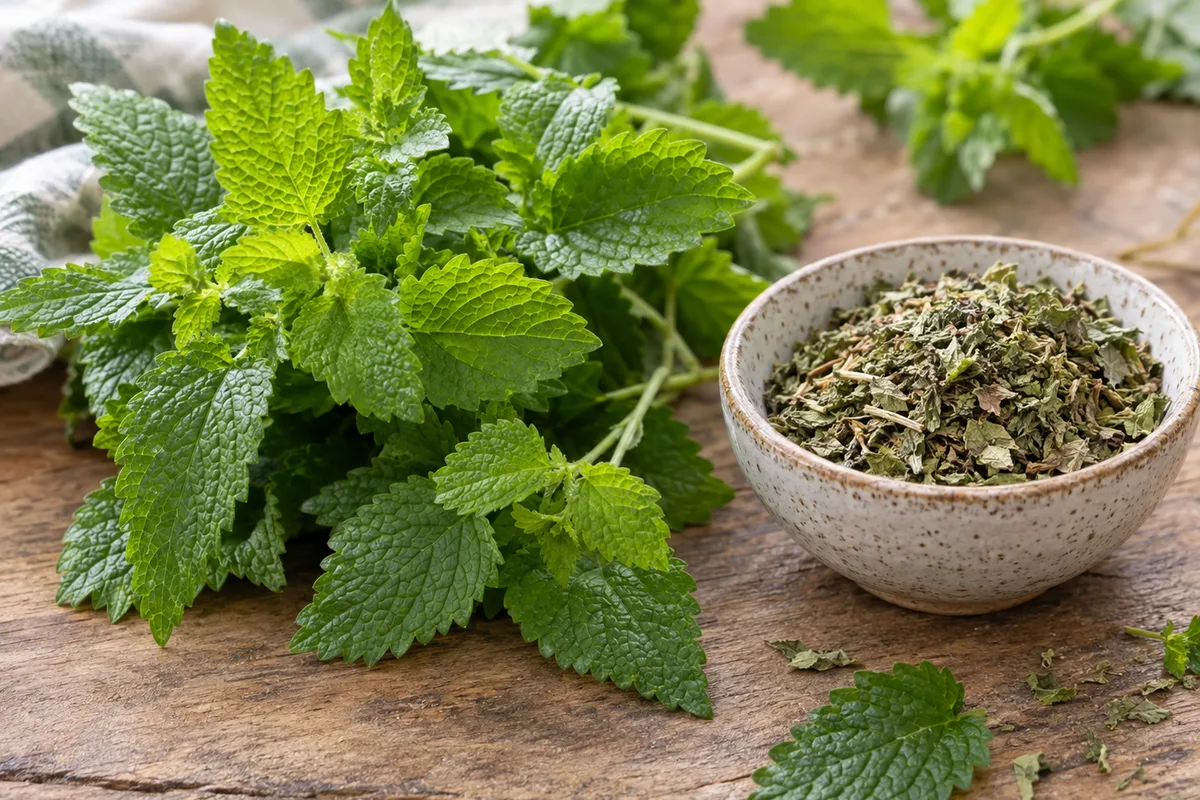
Dried lemon balm: lemony aroma, leaf quality and what buyers check
A buyer's guide to dried lemon balm: aroma, colour, cut size, stems, moisture and packing.
Read article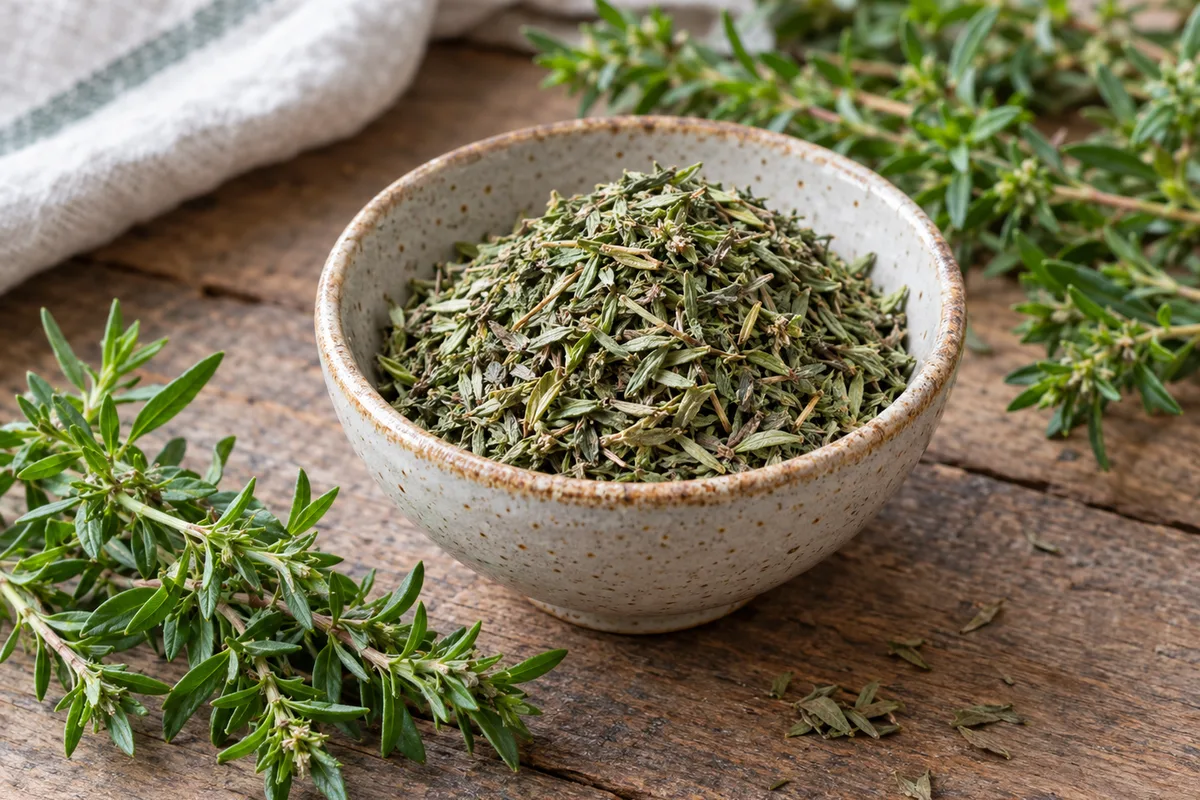
Dried savory: peppery aroma, leaf quality and what buyers check
A buyer's guide to dried savory: aroma, leaf colour, cut size, stems, moisture and packing.
Read article