
Peppermint vs spearmint: what buyers should know
The main differences between peppermint and spearmint in aroma, flavour and use, and how to specify the right mint for tea, food and seasoning products.

Mint is not one herb. The two mints that buyers meet most often are peppermint and spearmint, and they are used in different ways. Naming the right one in your order avoids a flavour that does not fit your product.
Two different species
Peppermint is Mentha x piperita. Spearmint is Mentha spicata. Both are leafy herbs sold dried, but they are different plants with different aroma profiles. Write the Latin name on your order, because "mint" alone can mean either, or another type.
Aroma and flavour
Peppermint has a strong, cooling, sharp character. This comes mainly from menthol, which gives the typical fresh feeling in the mouth. Spearmint is sweeter, softer and less cooling. Its main aroma compound is different, and the result is the mint most people know from chewing gum, sauces and many traditional teas. If you taste both side by side, the difference is clear.
Typical uses
Peppermint is common in herbal teas and infusion blends where a clear, fresh, cooling note is wanted, and in confectionery and oral care products. Spearmint is common in tea, in sauces and salads, in meat and vegetable dishes and in seasoning blends, where a gentler flavour is better. Many tea blends use both for balance.
How they look dried
Dried leaves of both are green and often cut or crushed. Peppermint leaves tend to be darker and may show a purple tint on stems, while spearmint leaves are often lighter green and more crinkled. Appearance alone is not a reliable way to tell them apart, so rely on the supplier's species name and a sample.
What to put in the specification
Name the species in Latin, say whether you want whole leaf, cut or ground, and give the size range. Ask for the moisture limit and a clear colour and aroma description tied to an approved sample. If strength matters to you, ask whether volatile oil content can be reported.
Quality points that matter for mint
Mint loses aroma quickly, so storage and packaging matter. Look for a good green colour, few stems and little dust, and a strong aroma when the pack is opened. A sealed liner helps hold the aroma on long routes.
Choosing between them
If you want a bold, cooling mint, choose peppermint. If you want a sweeter, rounder mint, choose spearmint. If you are blending tea, ask for samples of both and test them at your own ratio.
Ask mesbaholla for a quote
Tell us which mint you need, with its Latin name, plus the form and quantity. We will reply with the specification and the options available for your request. Use the contact form on this site to send it.
Keep reading
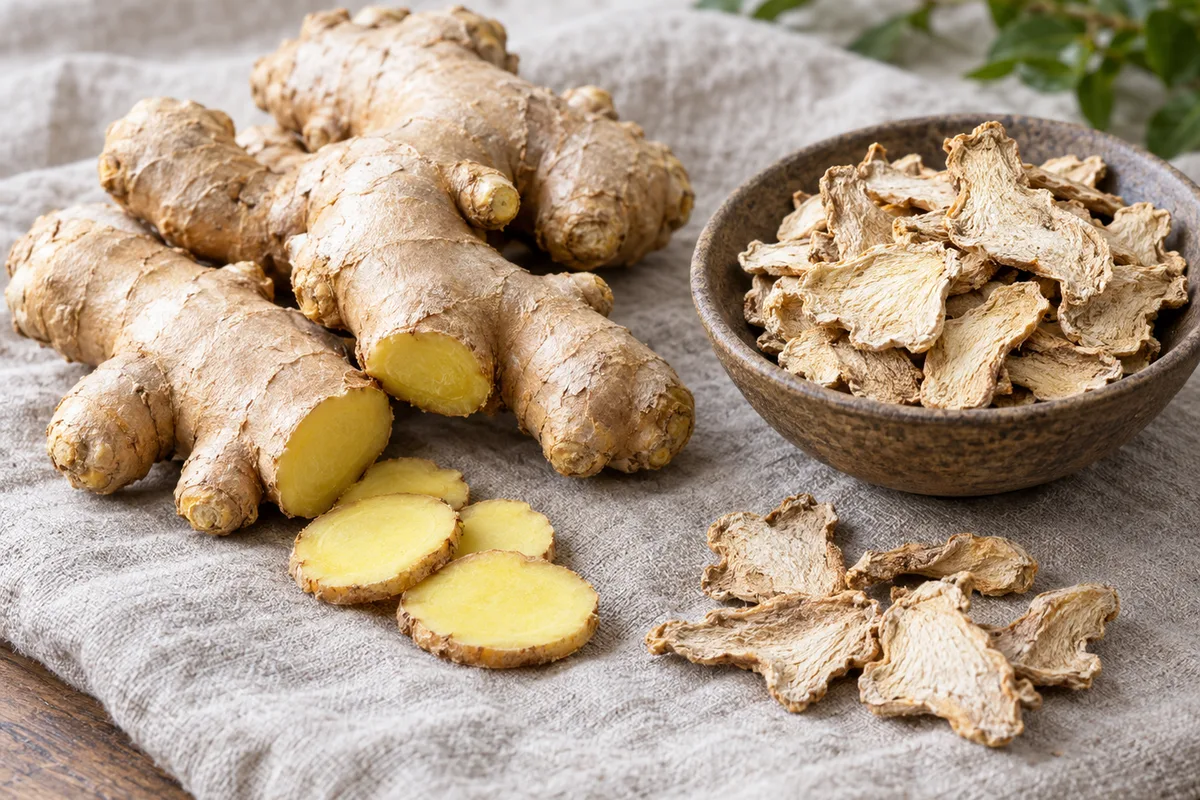
Dried ginger: whole, sliced or ground, what buyers check
A buyer's guide to dried ginger: whole, sliced or ground, colour, fibre, aroma and heat, moisture, mould and packing.
Read article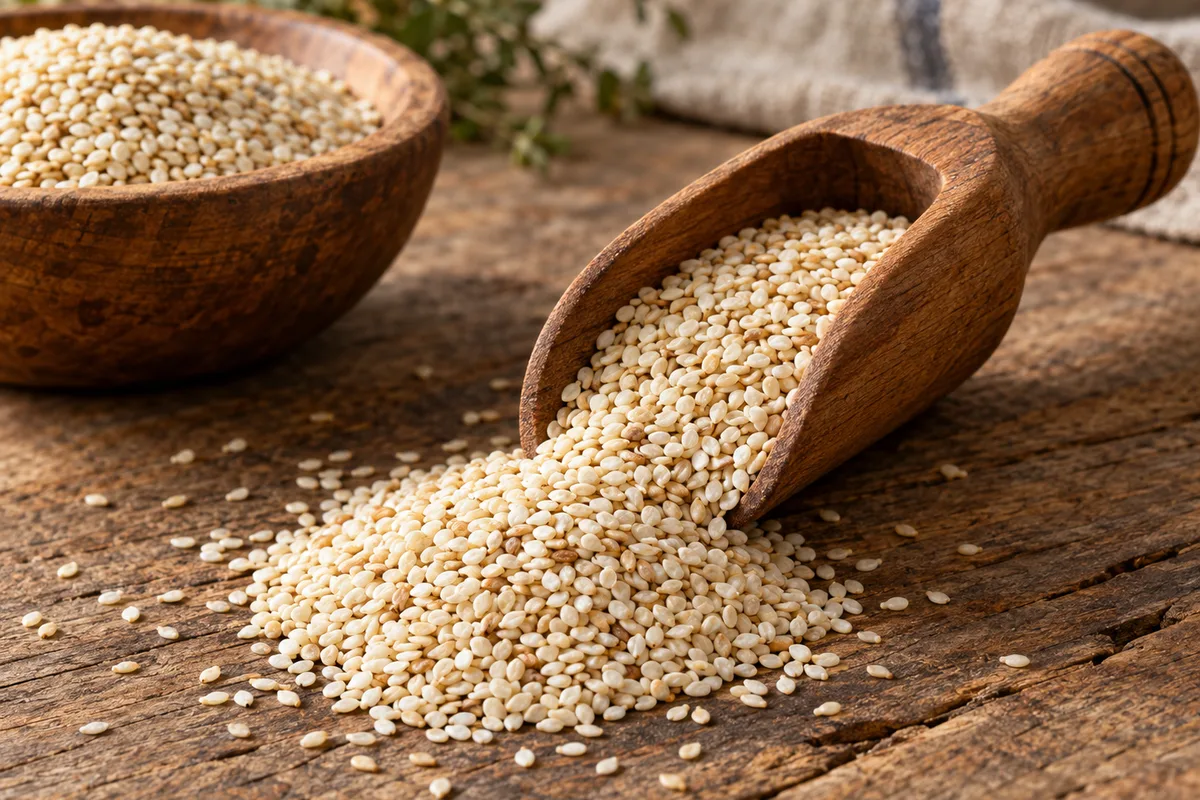
Sesame seed: hulled or natural, purity and freshness, what buyers check
A buyer's guide to sesame seed: hulled or natural, colour, purity, oil freshness, moisture, foreign matter and packing.
Read article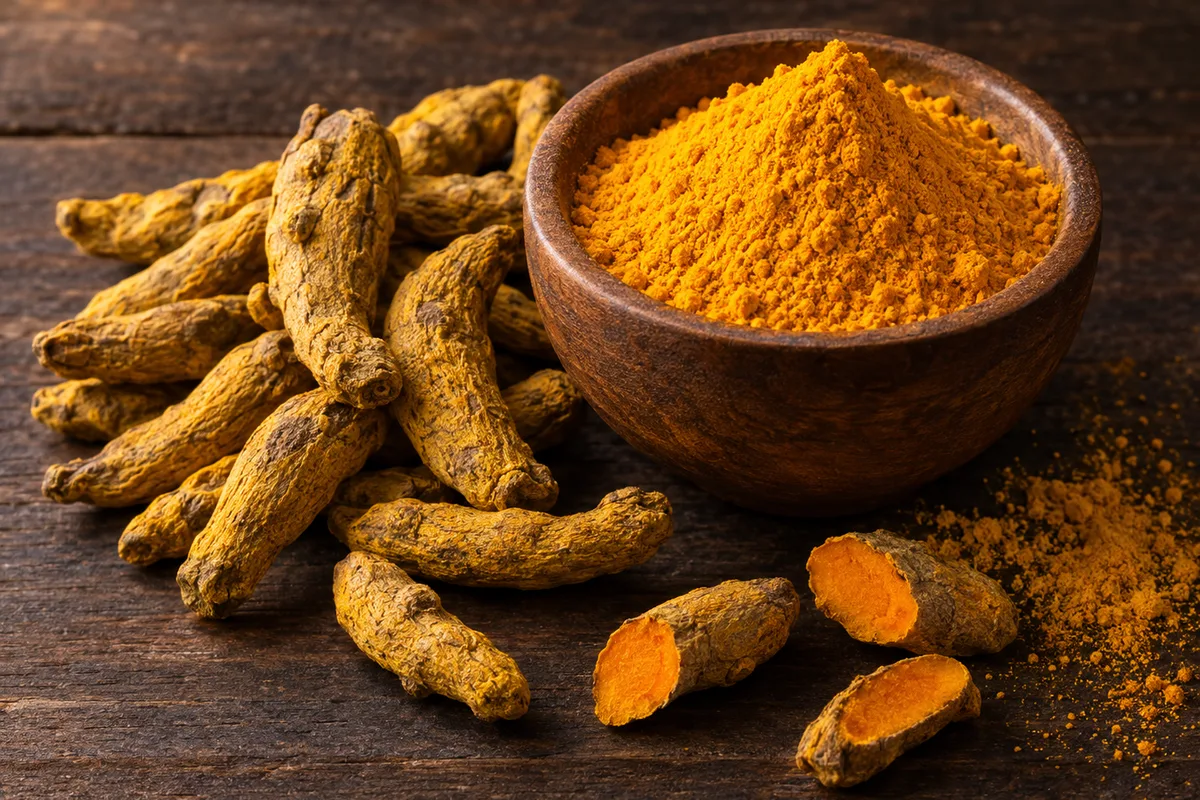
Turmeric: root or powder, colour, curcumin claims and adulteration, what buyers check
A buyer's guide to turmeric: whole fingers or powder, colour, aroma, purity, moisture, adulteration risks and packing.
Read article