
Lot numbers and traceability for dried herbs: what to ask for
Why lot numbers matter for herbs and spices, what traceability records a buyer can ask for, and how to use them if a problem appears.

When something is wrong with a shipment, the first question is where it came from. Lot numbers and simple records let you answer that quickly.
What a lot number does
A lot number ties a batch of product to its date, source and handling. Every bag or carton should carry it, and it should appear on the paperwork.
What records to ask for
Ask what the supplier records for each lot, for example the date received, the origin of the crop as the supplier knows it, the processing dates and who handled it. Do not assume; ask for what they actually keep.
Match the lot on arrival
Check that the lot number on the packs matches the documents. A mismatch should be raised right away, before the goods are used.
Keep your own records
Note the lot number, the date of arrival and the sample you kept. If a complaint comes later, this saves time for both sides.
Use it when a problem appears
With a lot number, a supplier can look back at what else was in the same batch and act on it. Without one, the whole supply may come into question.
Ask mesbaholla for a quote
Tell us the form and quantity you need, and ask for a sample. We will reply with what we can supply and a quote.
Keep reading
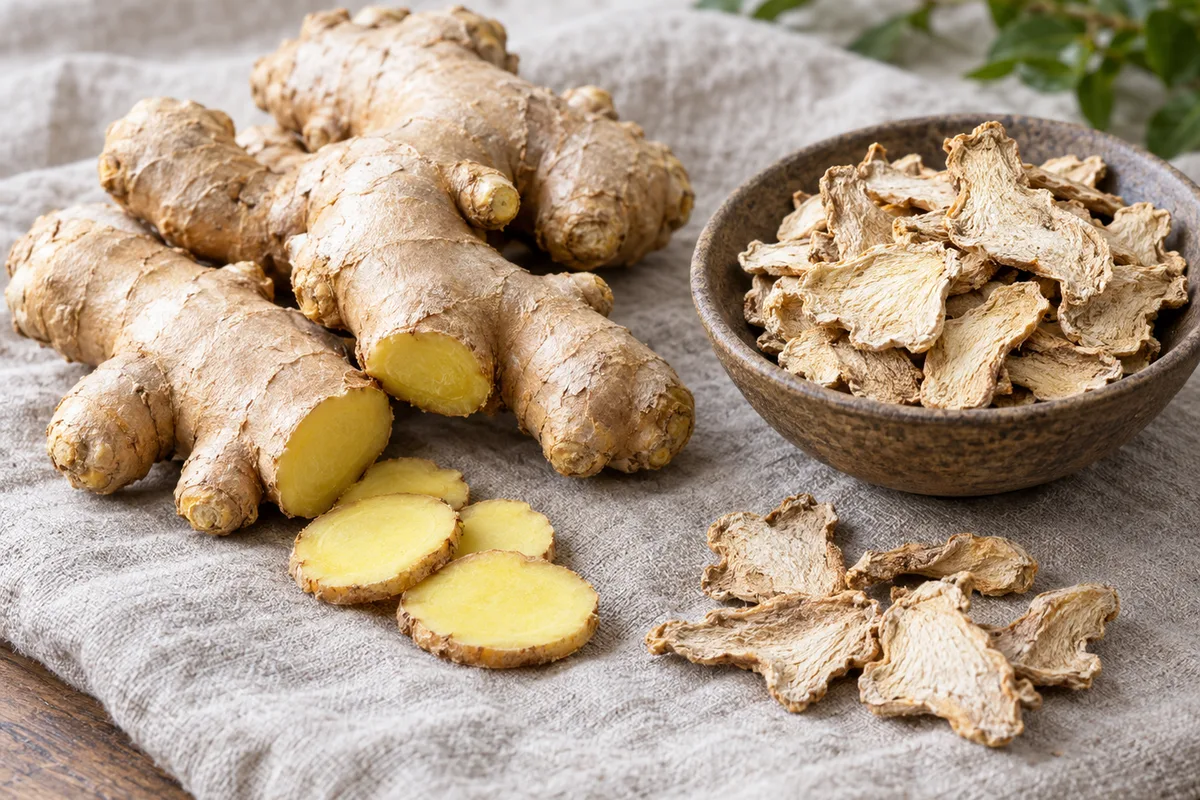
Dried ginger: whole, sliced or ground, what buyers check
A buyer's guide to dried ginger: whole, sliced or ground, colour, fibre, aroma and heat, moisture, mould and packing.
Read article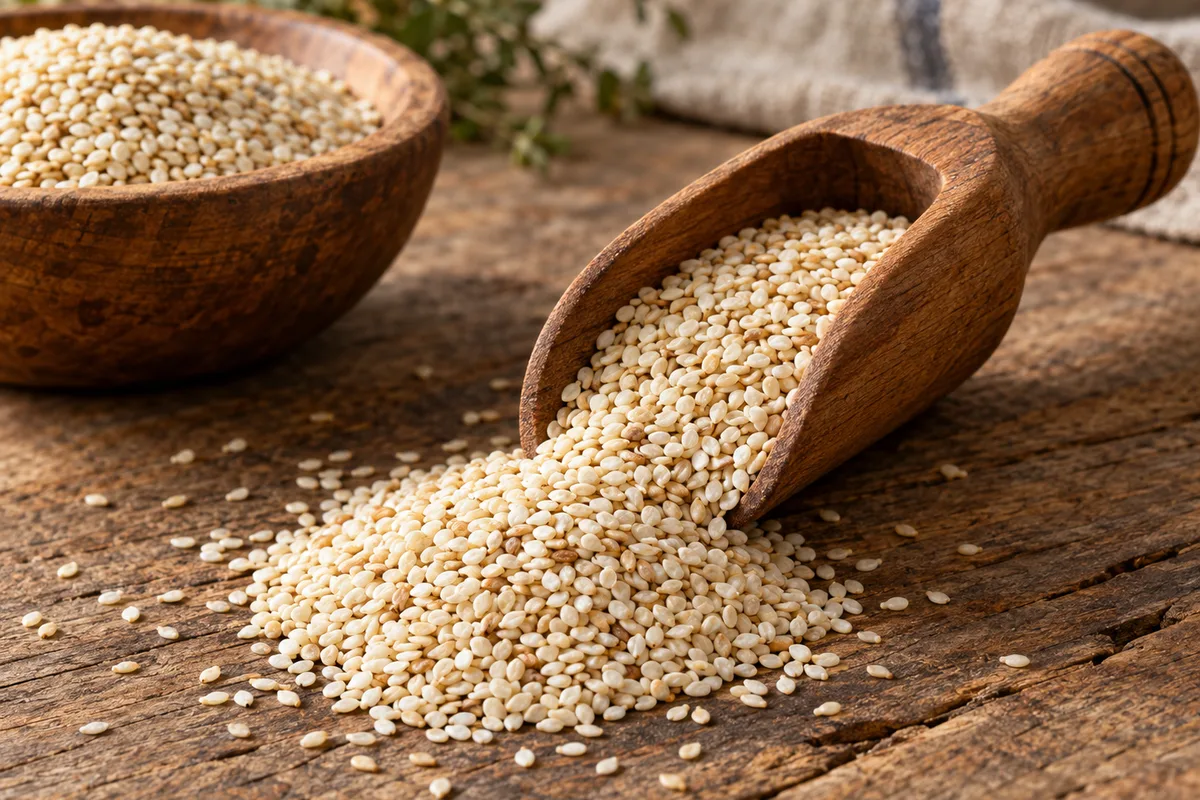
Sesame seed: hulled or natural, purity and freshness, what buyers check
A buyer's guide to sesame seed: hulled or natural, colour, purity, oil freshness, moisture, foreign matter and packing.
Read article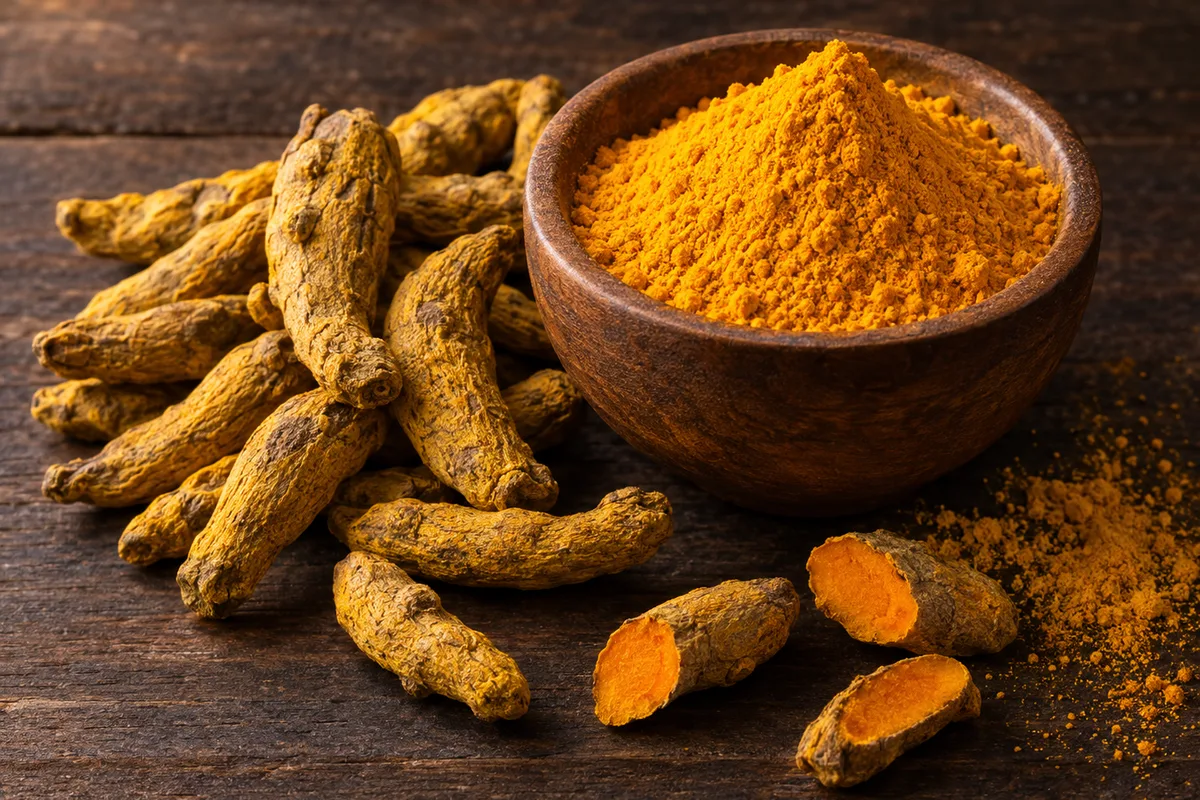
Turmeric: root or powder, colour, curcumin claims and adulteration, what buyers check
A buyer's guide to turmeric: whole fingers or powder, colour, aroma, purity, moisture, adulteration risks and packing.
Read article