
Grading dried herbs: what grade names mean and how to agree one
Why grade names differ between suppliers, and how to turn a grade into a clear specification you can check.
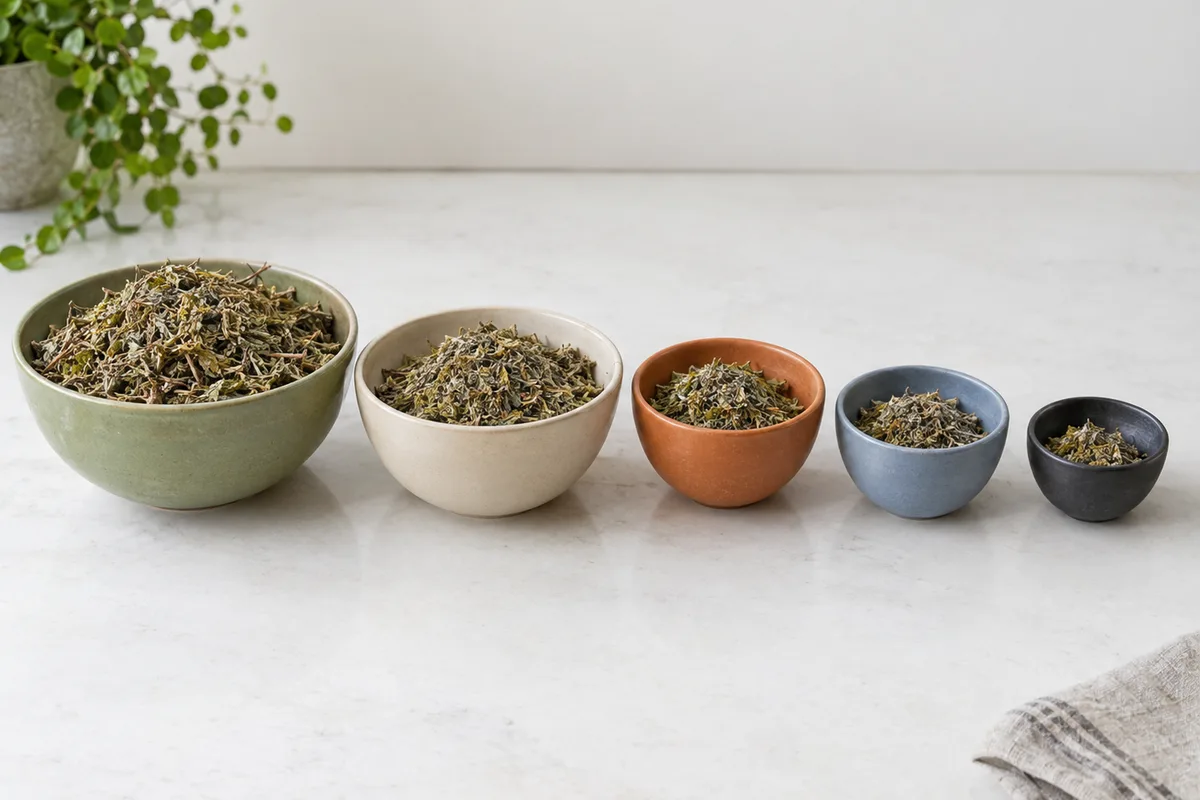
Suppliers often describe herbs and spices with grade names such as premium, standard or export quality. These names have no single meaning. A grade only helps if it is turned into numbers and a sample.
Grade names are not a standard
One supplier's premium can be another's standard. Treat a grade name as a starting point for a conversation, not a guarantee.
What usually defines a grade
Grades are normally based on a few things: colour, size or cut, share of broken pieces, stems and foreign matter, and sometimes aroma or moisture.
Turn the grade into limits
Write the limits in the order, for example the maximum share of stems or broken pieces, the size range and the moisture limit. Numbers can be checked, adjectives cannot.
Use a sample as the reference
Agree a sealed sample of the grade. Both sides compare each lot with it. This settles most arguments about colour and aroma.
Check each lot
Grade can vary between lots and crop years. Look at a sample from every shipment against the agreed limits and keep your notes.
Ask mesbaholla for a quote
Tell us the form and quantity you need, and ask for a sample. We will reply with what we can supply and a quote.
Keep reading
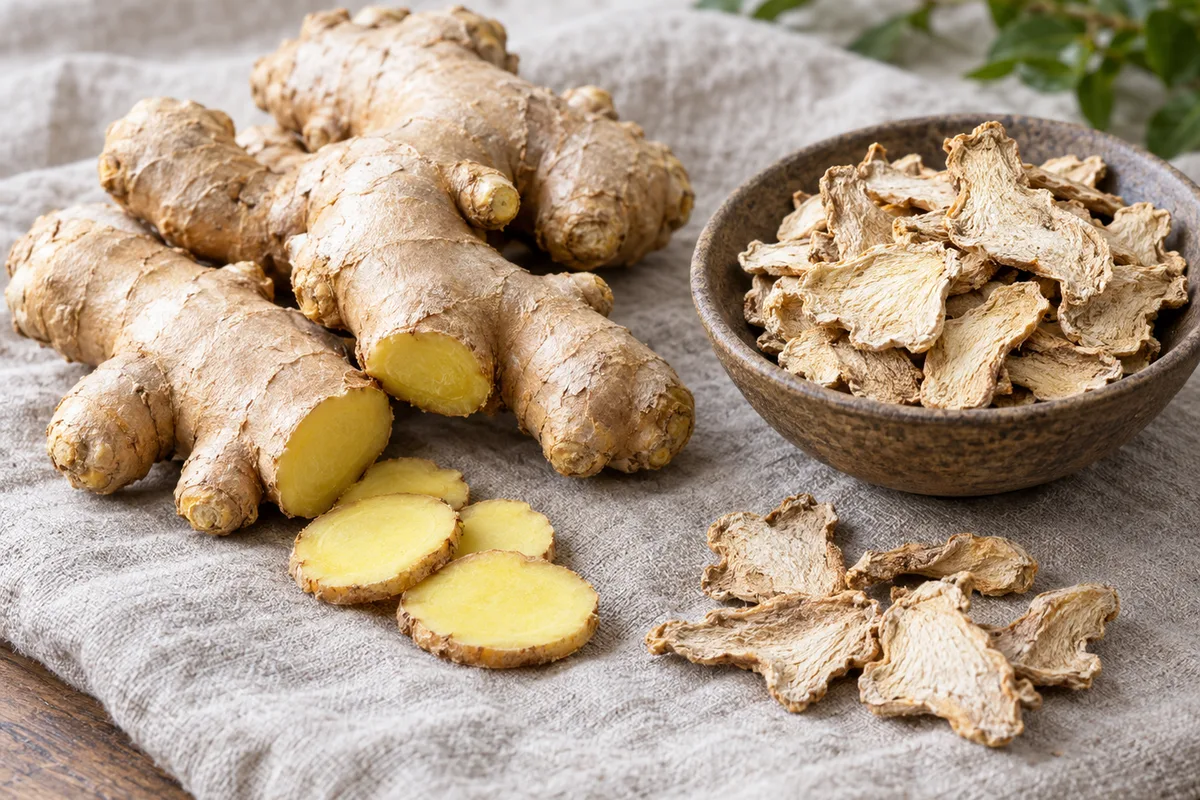
Dried ginger: whole, sliced or ground, what buyers check
A buyer's guide to dried ginger: whole, sliced or ground, colour, fibre, aroma and heat, moisture, mould and packing.
Read article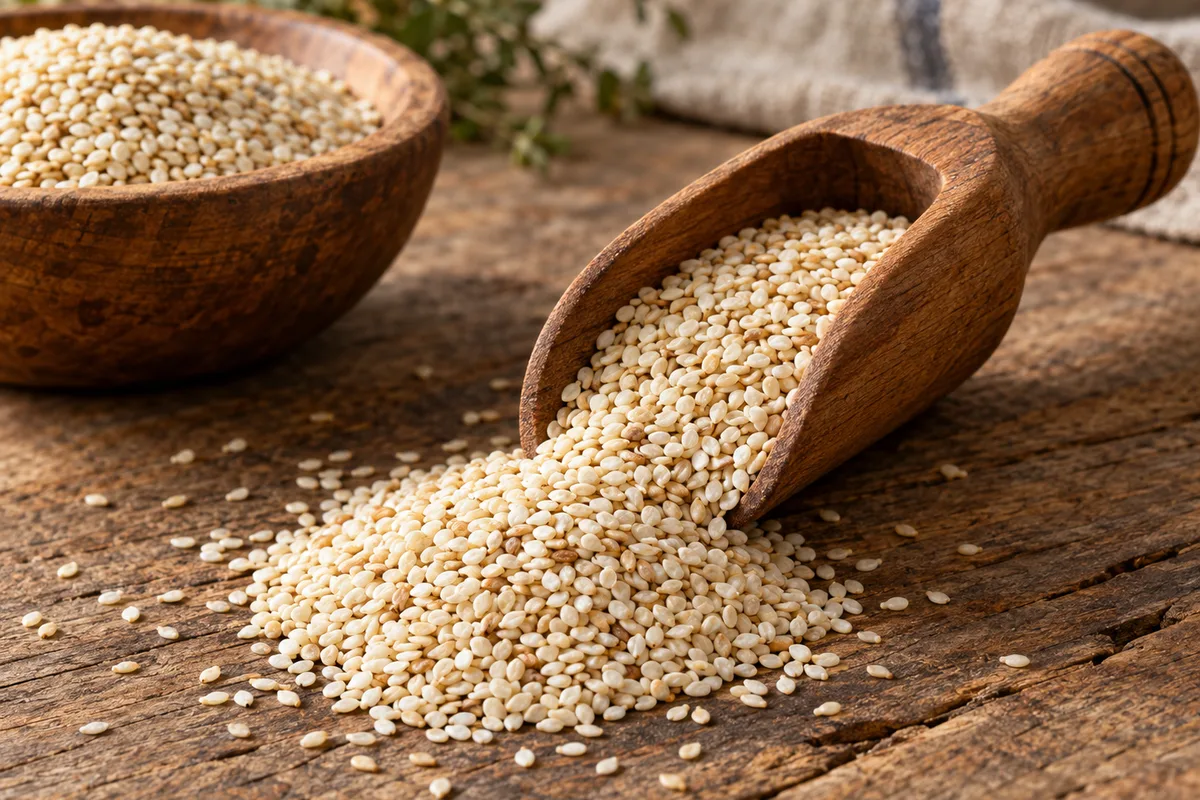
Sesame seed: hulled or natural, purity and freshness, what buyers check
A buyer's guide to sesame seed: hulled or natural, colour, purity, oil freshness, moisture, foreign matter and packing.
Read article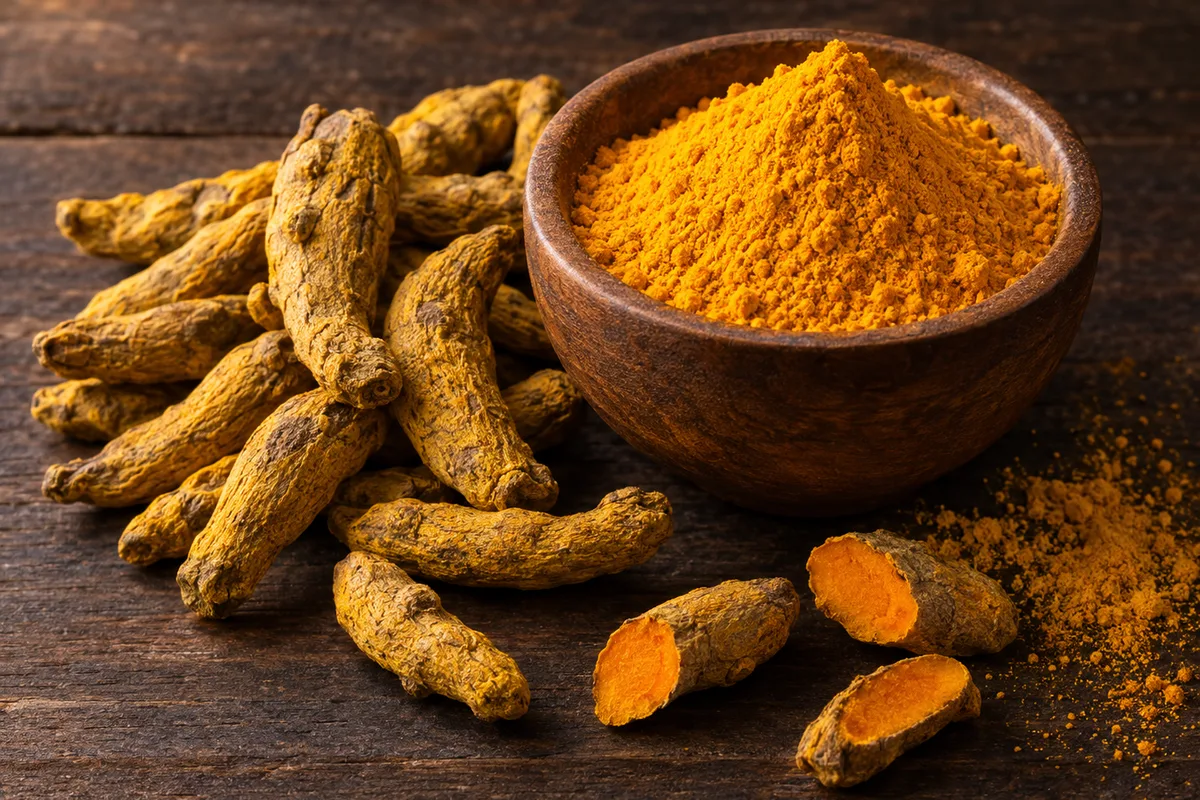
Turmeric: root or powder, colour, curcumin claims and adulteration, what buyers check
A buyer's guide to turmeric: whole fingers or powder, colour, aroma, purity, moisture, adulteration risks and packing.
Read article